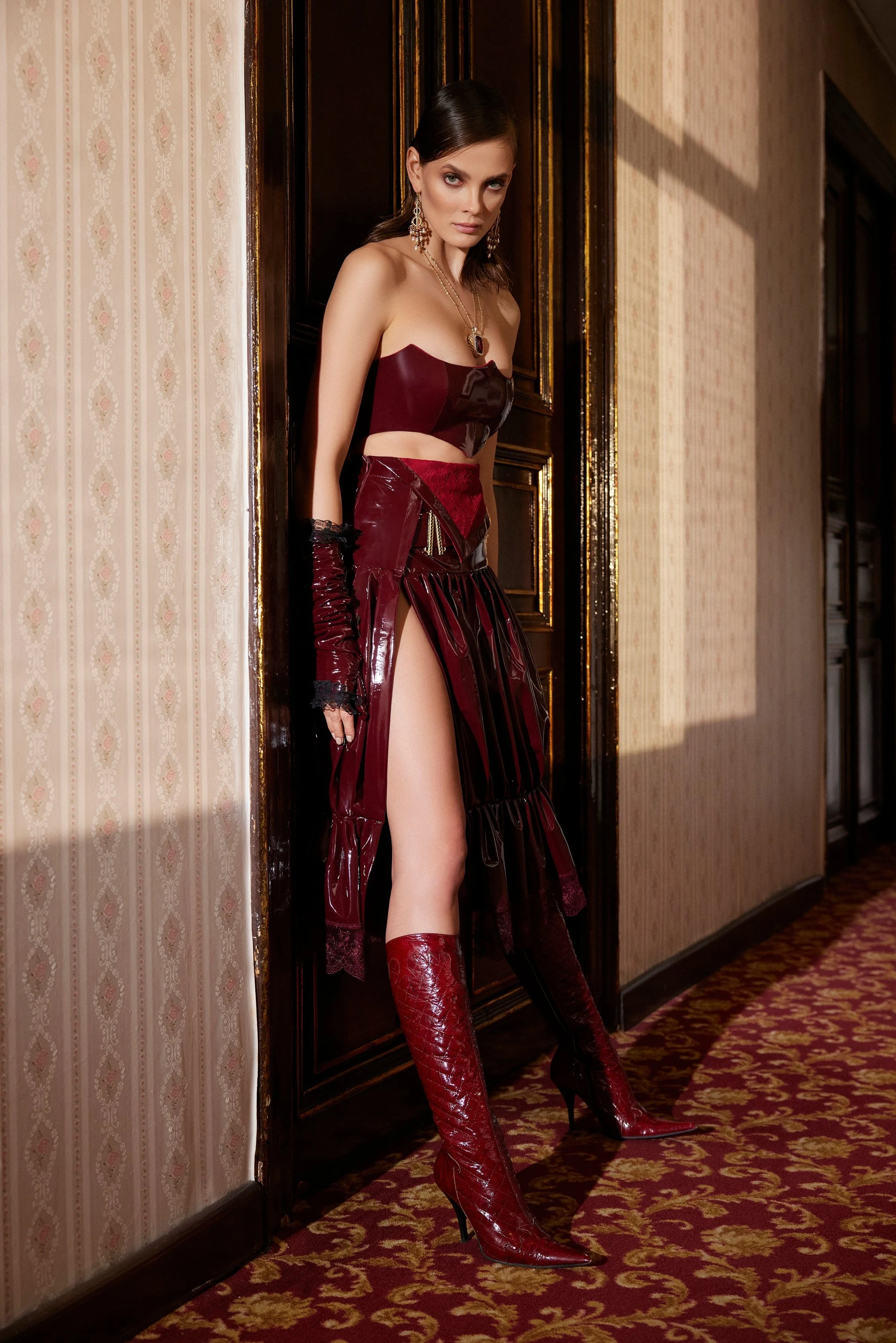
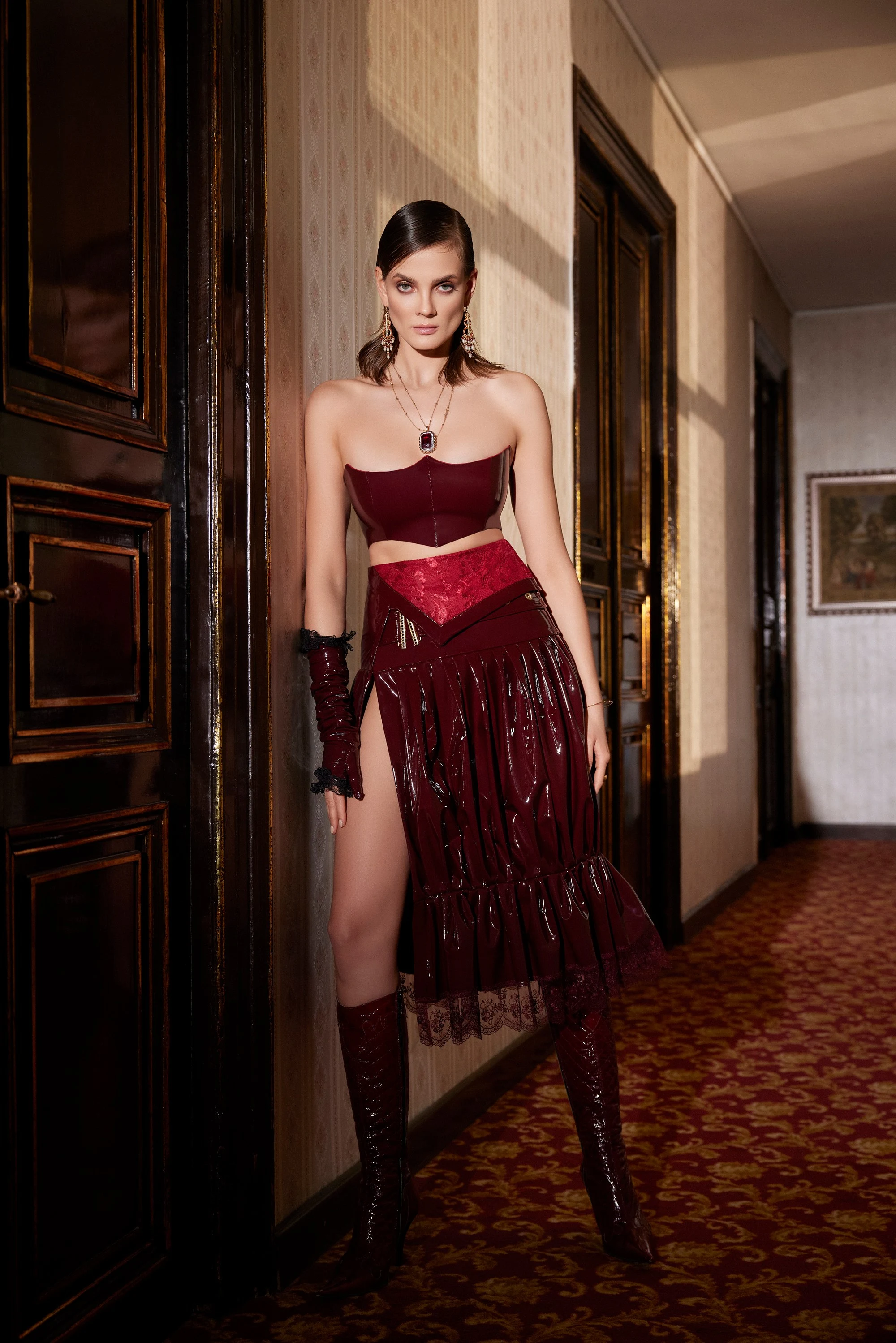
© laraari.com — Tüm Hakları Saklıdır
{"D":{"Dreamscaper Kapüşonlu Siyah Dantel Bolero":"Dreamscaper Hooded Black Lace Bolero","Darlene Siyah Kadife Aplikeli Ceket Elbise":"Darlene Black Velvet Jacket Dress with Appliqués","Bella Dantelli Suni Deri Siyah Abiye Tulum":"Bella Black Faux Leather Evening Jumpsuit with Lace","Bahia Ahşap Boncuklu Taba Süet Püsküllü Etek":"Bahia Tan Suede Fringe Skirt with Wooden Beads","Alba Krem Yakalı Simli Lacivert Korse":"Alba Shimmering Navy Corset with Cream Collar","Nacre Moon El Örgüsü İncili Bikini Üstü":"Nacre Moon Hand-Crocheted Pearl Bikini Top","Sol Morena El Örgüsü Kahverengi Bikini Üstü":"Sol Morena Hand-Crocheted Brown Bikini Top","Pink Weather Çiçek İşlemeli El Örgüsü Pembe Bikini Üstü":"Pink Weather Hand-Crocheted Pink Bikini Top with Floral Embroidery","Doğal Taşlı Kırmızı Mercan Kolye":"Red Coral Necklace with Natural Stones","Wildheart Kalp Detaylı Kahverengi Kürk Eldiven":"Wildheart Brown Faux Fur Gloves with Heart Detail","Arı Broşlu Siyah Beyaz Bere":"Black and White Beret with Bee Brooch","Akik Taşlı Spiral Kolye ve Bileklik Seti":"Agate Spiral Necklace and Bracelet Set","Oniks Detaylı Havlit Kolye":"Howlite Necklace with Onyx Details","Ejder Damarı Kolye – Gri Mavi Akik":"Dragon Vein Necklace – Gray Blue Agate","Pink Weather El Örgüsü Pembe Bikini Altı":"Pink Weather Hand-Crocheted Pink Bikini Bottom","Midnight Bazaar El Örgüsü Mor Püsküllü Bikini Altı":"Midnight Bazaar Hand-Crocheted Purple Tassel Bikini Bottom","Nacre Moon El Örgüsü Ekru Beyaz Bikini Altı":"Nacre Moon Hand-Crocheted Ecru White Bikini Bottom","Dreamscaper Siyah Asimetrik Uzun Dantel Etek":"Dreamscaper Black Asymmetric Long Lace Skirt","Mare Süet Detaylı Siyah Dantelli Korse":"Mare Black Lace Corset with Suede Details","Furry Siyah Süet Kürklü Pantolon":"Furry Black Suede Faux Fur Pants","Mother Goddess Siyah Kiremit Süet Yırtmaçlı Elbise":"Mother Goddess Black and Terracotta Suede Slit Dress","Elara Altın Fermuarlı Simli Lacivert Büstiyer Korse":"Elara Navy Metallic Bustier Corset with Gold Zip","Queen of Hearts Kürk Detaylı Siyah Mini Elbise":"Queen of Hearts Black Mini Dress with Faux Fur Details","Çok Renkli Patchwork Suni Deri Kürk Ceket":"Multicolor Patchwork Faux Leather and Faux Fur Jacket","Mavi Akikli Barok İnci Kolye ve Bileklik Seti":"Baroque Pearl Necklace and Bracelet Set with Blue Agate","Rich Brown Kalp Tokalı Kürklü Kahverengi Tozluk":"Rich Brown Faux Fur Leg Warmers with Heart Buckle","Arı Broşlu Siyah Lacivert Bere":"Black and Navy Beret with Bee Brooch","Arı Broşlu Kahverengi Bere":"Brown Beret with Bee Brooch","Pembe Akik Uçlu Pembe Kuvars Kolye Seti":"Rose Quartz Necklace Set with Pink Agate Pendant","Akuamarin, Lapis ve Pembe Kuvarslı Renkli Taş Kolye":"Multicolor Gemstone Necklace with Aquamarine, Lapis and Rose Quartz","Ametistli Katmanlı Mor Taşlı Kolye":"Layered Purple Stone Necklace with Amethyst","Mercan Detaylı Kanada Yeşimi Yeşim Kolye":"Canadian Jade Necklace with Coral Details","Sarı Yeşil Kolye ve Bileklik Seti – Murano Cam":"Yellow and Green Necklace and Bracelet Set – Murano Glass","Sol Morena El Örgüsü Kahverengi Bikini Altı":"Sol Morena Hand-Crocheted Brown Bikini Bottom","Guinevere Tül ve Dantel Bordo Korse":"Guinevere Burgundy Tulle and Lace Corset","Dreamscaper Çıkarılabilir Tozluklu Siyah Süet Pantolon":"Dreamscaper Black Suede Trousers with Removable Leg Warmers","Lunar Veil Örgü ve Şifon Uzun Pareo":"Lunar Veil Long Crochet and Chiffon Pareo","Bandida Lake Suni Deri Pileli Bordo Etek":"Bandida Burgundy Pleated Patent Faux Leather Skirt","Alba Krem Kemerli Lacivert Flare Pantolon":"Alba Navy Flare Trousers with Cream Belt","Turkish Delight İnci İşlemeli Beyaz Tank Top":"Turkish Delight White Pearl-Embroidered Tank Top","Brasil Boncuk İşlemeli Yazılı Beyaz Crop Top":"Brasil White Bead-Embroidered Slogan Crop Top","Isla Roja Kristal Taşlı El Örgüsü Kırmızı Bikini Üstü":"Isla Roja Red Hand-Crocheted Bikini Top with Crystals","Bodrum Boncuklu Katmanlı Nazar Boncuğu Kolye":"Layered Evil Eye Necklace with Bodrum Beads","Midnight Kalp Tokalı Kürklü Siyah Tozluk":"Midnight Black Faux Fur Leg Warmers with Heart Buckle","Ejder Damarı Akik Kolye ve Bileklik Seti":"Dragon Vein Agate Necklace and Bracelet Set","Kırmızı Mavi Renkli Murano Kolye Seti":"Red and Blue Murano Glass Necklace Set","Varisit ve Sedefli Akuamarin Kolye Bileklik Seti":"Aquamarine Necklace and Bracelet Set with Variscite and Mother-of-Pearl","Akik Uçlu Su Yeşili Kolye ve Bileklik Seti":"Aqua Green Necklace and Bracelet Set with Agate Pendant","Akik, Yeşim, Kuvars ve Hematitli Jasper Kolye":"Jasper Necklace with Agate, Jade, Quartz and Hematite","Turkuaz Uçlu Akik ve Varisit Kolye":"Agate and Variscite Necklace with Turquoise Pendant","Neon Mirage El Örgüsü Turkuaz Boncuklu Bikini Altı":"Neon Mirage Turquoise Beaded Hand-Crocheted Bikini Bottom","Magda Kadife Aplikeli Kırmızı Korse":"Magda Red Velvet Corset with Appliqués","Harem Kahverengi Dantelli Suni Deri Bluz":"Harem Brown Lace Faux Leather Blouse","Bandida Bordo Rugan Straplez Korse":"Bandida Burgundy Patent Leather Strapless Corset","Maid Dantelli Suni Deri Korse":"Maid Lace Faux Leather Corset","Midnight Bazaar El Örgüsü Kristal Püsküllü Bikini Üstü":"Midnight Bazaar Hand-Crocheted Crystal Tassel Bikini Top","Mink Bej Peluş Straplez Kürklü Korse":"Mink Beige Plush Strapless Faux Fur Corset","Jane Bej Suni Deri Pantolon":"Jane Beige Faux Leather Pants","Arı Broşlu Kadife Bordo Bere":"Burgundy Velvet Beret with Bee Brooch","Mavi ve Kahverengi Detaylı Turuncu Akik Kolye Seti":"Orange Agate Necklace Set with Blue and Brown Accents","Beyaz Oversize Kürk Şapka":"White Oversized Faux Fur Hat","Midnight Siyah Suni Kürk Rus Şapkası":"Midnight Black Faux Fur Russian Hat","Akik ve Hematitli Sitrin Kolye":"Citrine Necklace with Agate and Hematite","Lapis ve Ametist Detaylı Kaplan Gözü Kolye":"Tiger's Eye Necklace with Lapis and Amethyst","Kahverengi Mavi Karışık Akik Kolye ve Bileklik Seti":"Brown and Blue Mixed Agate Necklace and Bracelet Set","Yeşil Akik Kolye ve Bileklik Seti":"Green Agate Necklace and Bracelet Set","Mavi Murano Kolye ve Bileklik Seti":"Blue Murano Necklace and Bracelet Set","Sitrin ve Nazar Akikli Opal Kolye Seti":"Opal Necklace Set with Citrine and Eye Agate","Isla Roja El Örgüsü Kırmızı Bikini Altı":"Isla Roja Hand-Crocheted Red Bikini Bottom","Burlesque Kahverengi Kuşgözlü Mini Korse Elbise":"Burlesque Brown Mini Corset Dress with Eyelets","Guinevere Dantelli Suni Deri Bordo Pantolon":"Guinevere Burgundy Faux Leather Pants with Lace","Elara Kemerli Lacivert İspanyol Paça Pantolon":"Elara Navy Flared Pants with Belt","Turkish Delight İnci İşlemeli Crop Atlet":"Turkish Delight Pearl-Embroidered Crop Tank","Acid Bloom Şifon Detaylı Renkli Örgü Pareo":"Acid Bloom Multicolor Crochet Pareo with Chiffon Details","Brasil Beyaz Boncuk İşlemeli Yazılı Atlet":"Brasil White Beaded Slogan Tank","Neon Mirage Boncuk İşlemeli Fosforlu Bikini Üstü":"Neon Mirage Beaded Neon Bikini Top","Rich Brown Oversize Kahverengi Kürk Şapka":"Rich Brown Oversized Brown Fur Hat","White Detail Kalp Tokalı Kürklü Beyaz Tozluk":"White Detail White Faux Fur Leg Warmers with Heart Buckle","Jasper ve Kristal Turkuaz Uçlu Kolye Seti":"Jasper and Crystal Necklace Set with Turquoise Pendant","Arı Broşlu Siyah Turuncu Bere":"Black and Orange Beret with Bee Brooch","Akik Uçlu Lapis Lazuli Kolye ve Bileklik Seti":"Lapis Lazuli Necklace and Bracelet Set with Agate Pendant","Kahverengi Akik Kolye ve Bileklik Seti":"Brown Agate Necklace and Bracelet Set","Pembe Akik ve Ametist Kolye Bileklik Seti":"Pink Agate and Amethyst Necklace and Bracelet Set","Mavi ve Kırmızı Murano Cam İkili Kolye Seti":"Blue and Red Murano Glass Double Necklace Set","Mavi Beyaz Porselen Kolye – Murano Cam İkili Set":"Blue and White Porcelain Necklace – Murano Glass Double Set","Mavi Sarı İki Sıra Kristal Kolye":"Blue and Yellow Two-Strand Crystal Necklace","Nacre Moon İncili El Örgüsü Beyaz Bikini Altı":"Isla Roja Hand-Crocheted Red Bikini Bottom","Isla Roja Çiçek Aplikeli El Örgüsü Kırmızı Bikini Üstü":"Isla Roja Hand-Crocheted Red Bikini Bottom","Isla Roja Boncuklu El Örgüsü Kırmızı Bikini Altı":"Isla Roja Hand-Crocheted Red Bikini Bottom","Neon Mirage Motifli Boncuk Püsküllü Bikini Üstü":"Isla Roja Hand-Crocheted Red Bikini Bottom","Midnight Bazaar Motifli Boncuk Saçaklı Bikini Üstü":"Midnight Bazaar Hand-Crocheted Purple Tassel Bikini Bottom","Midnight Bazaar Boncuklu El Örgüsü Mor Bikini Altı":"Midnight Bazaar Hand-Crocheted Purple Tassel Bikini Bottom","Pink Weather Çiçek Aplikeli El Örgüsü Pembe Bikini Üstü":"Midnight Bazaar Hand-Crocheted Purple Tassel Bikini Bottom","Pink Weather Çiçek Detaylı El Örgüsü Pembe Bikini Altı":"Pink Weather Hand-Crocheted Pink Bikini Top with Floral Embroidery","Acid Bloom Yeşil Şifon Etekli Örgü Pareo":"Pink Weather Hand-Crocheted Pink Bikini Bottom","Nasıl giyilir?":"How to Wear","Korsenin tarihi":"History of the Corset","Randevu, süreç ve süreler":"Appointments \u0026 Lead Times","Kişiye Özel Tasarım":"Made to Order","Tüm Ürünler":"All Products","Earthly Delights Koleksiyonu":"Earthly Delights Collection","Brasil Koleksiyonu":"Brasil Collection","Turkish Delight Koleksiyonu":"Turkish Delight Collection","Sunset Market Koleksiyonu":"Sunset Market Collection","Boudoir Koleksiyonu":"Boudoir Collection","Koleksiyonlar":"Collections","Mağaza":"Shop","Kolyeler":"Necklaces","Tulumlar":"Jumpsuits","Plaj Giyim":"Beachwear","Bikiniler":"Bikinis","Hediye Seçkisi":"Gift Edit","Suni Kürk":"Faux Fur","Takılar":"Jewelry","Aksesuarlar":"Accessories","Dış Giyim":"Outerwear","Pantolonlar":"Trousers","Etekler":"Skirts","Elbiseler":"Dresses","Üstler":"Tops","Korseler":"Corsets","**İADE VE İPTAL KOŞULLARI** **1. Sipariş İptali** Henüz hazırlanmamış (status: Onay bekliyor) siparişler hesabınızdan iptal edilebilir. Hazırlanmaya başlanmış veya kargoya verilmiş siparişler için iade prosedürü uygulanır. **2. Cayma Hakkı** Ürünü teslim aldıktan sonra 14 gün içinde gerekçesiz iade hakkınız vardır (yönetmelik istisnaları hariç). Cayma talebinizi \"Siparişlerim\" bölümünden iletebilirsiniz. Alıcının istekleri veya kişisel ihtiyaçları doğrultusunda hazırlanan, kişiye özel üretilen ürünlerde cayma hakkı yoktur (Mesafeli Sözleşmeler Yönetmeliği, madde 15/1-ç). **3. İade Şartları** - Ürün kullanılmamış, etiketi sökülmemiş, ambalajı bozulmamış olmalıdır - Fatura ile birlikte gönderilmelidir - Kargo ücreti müşteriye aittir (üründe kusur varsa satıcıya aittir) **4. İade Süresi** İade edilen ürün satıcıya ulaştıktan sonra 14 gün içinde ödeme yönteminize uygun şekilde iade yapılır. **5. Değişim** Beden/renk değişimi için talebinizi iletişim üzerinden bildirin.":"**RETURN AND CANCELLATION TERMS** **1. Order Cancellation** Orders that have not yet been prepared (status: Awaiting approval) can be cancelled from your account. For orders already in preparation or shipped, the return procedure applies. **2. Right of Withdrawal** You may return a product without giving any reason within 14 days of receiving it (excluding exceptions set out in the regulation). You can submit your withdrawal request from the \"My Orders\" section. The right of withdrawal does not apply to products made to order according to the buyer’s requests or personal needs (Distance Contracts Regulation, Article 15/1-ç). **3. Return Conditions** - The product must be unused, with its tag attached and its packaging intact - It must be sent together with the invoice - Shipping costs are borne by the customer (by the seller if the product is defective) **4. Refund Period** Once the returned product reaches the seller, a refund is issued to your payment method within 14 days. **5. Exchanges** For a size/color exchange, please send us your request via the contact page.","01: Etekler — İncele":"01: Skirts — Explore","01: Üstler — İncele":"01: Tops — Explore","02: Elbiseler — İncele":"02: Dresses — Explore","03: Dış Giyim — İncele":"03: Outerwear — Explore","03: Etekler — İncele":"03: Skirts — Explore","04: Pantolonlar — İncele":"04: Trousers — Explore","04: Üstler — İncele":"04: Tops — Explore","05: Dış Giyim — İncele":"05: Outerwear — Explore","06: Aksesuarlar — İncele":"06: Accessories — Explore","07: Takılar — İncele":"07: Jewelry — Explore","1 rehber · yenileri eklendikçe burada":"1 guide · more to come as they’re added","1920’lerde esnek kuşaklar ve sütyen sert korsenin yerini büyük ölçüde aldı. 1980’lerde korse bir dış giyim parçası olarak geri döndü.":"In the 1920s, elastic girdles and the brassiere largely replaced the rigid corset. In the 1980s, the corset returned as an outerwear piece.","30 gün içinde iade":"Returns within 30 days","30 parça":"30 pieces",": kartı çevir":": flip card",": ürün kartını aç":": open product card","Adın *":"First name *","Adın soyadın *":"Full name *","Akik taşı yakın çekim":"Agate stone close-up","Akik, İnci":"Agate, Pearl","Alışverişe devam et":"Continue shopping","Ara":"Search","Aradığınız sayfa kaldırılmış, taşınmış veya hiç var olmamış olabilir.":"The page you are looking for may have been removed, moved, or may never have existed.","Aramak istediğiniz parçanın adını yazın.":"Type the name of the piece you’re looking for.","Aramanızla eşleşen parça bulunamadı.":"No pieces match your search.","Atölye":"Atelier","Atölye · Özel Sipariş":"Atelier · Made to Order","Atölyeden Notlar":"Notes from the Atelier","Aynı pembe, başka bir koy.":"Same pink, another cove.","Açık Rıza Metni":"Explicit Consent Form","Barok inci: düzgün yuvarlak değil, her biri kendi biçiminde.":"Baroque pearl: never perfectly round, each with a shape of its own.","Batı’da kadınlar 16. yüzyılda ilk korseleri giymeye başladı. 20. yüzyılın başına kadar gündelik giyimin parçası olarak kaldı.":"In the West, women began wearing the first corsets in the 16th century. They remained part of everyday dress until the early 20th century.","Bazı modeller stokta beklemez; siparişin geldikten sonra senin için dikilir. Üretim 7–21 gün sürer. Özel dikildikleri için cayma hakkı kapsamı dışındadır.":"Some designs aren’t kept in stock; they are sewn for you once your order arrives. Production takes 7–21 days. Because they are custom-made, they are excluded from the right of withdrawal.","Beden":"Size","Beden Kılavuzu":"Size Guide","Beden bilgisi alınamadı, tekrar deneyin.":"Couldn’t load size information, please try again.","Beden olmazsa ne olur?":"What if the size doesn’t fit?","Beden seçin":"Select a size","Beden tablosu":"Size chart","Beden ya da ürün sorusu":"Size or product question","Bedeninizi aşağıdaki tablodan bulun ya da beş adımda kendinizi ölçün. İki beden arasında mısınız? Her korse ölçülerinize göre de üretilebilir.":"Find your size in the chart below, or measure yourself in five steps. Between two sizes? Every corset can also be made to your measurements.","Begonvillerin altında kırmızı bir akşam.":"A red evening beneath the bougainvillea.","Bel ölçün göğüsten büyük görünüyor, tekrar ölçmeni öneririz.":"Your waist measurement looks larger than your bust; we recommend measuring again.","Belin en ince yerinden ölç. Nefesini tutma, karnını içeri çekme.":"Measure at the narrowest point of your waist. Don’t hold your breath or pull in your stomach.","Belirlenen tutar üzeri":"On orders over a set amount","Beni arayın":"Call me","Beğendiğin modelin bedeni yoksa ya da tam oturmasını istiyorsan, aynı modeli senin ölçülerinle dikeriz.":"If the design you love isn’t available in your size, or you want a perfect fit, we’ll make the same design to your measurements.","Beş ölçü.":"Five measurements.","Bikini altı":"Bikini bottom","Bikini üstü":"Bikini top","Bir sipariş, özel sipariş bir parça ya da ölçü randevusu hakkında sorunuz mu var? Bize yazın, atölye yanıtlasın.":"Have a question about an order, a made-to-order piece or a measurement appointment? Write to us and the atelier will reply.","Bir taş seç; o taşla dizilen parçaları ve taşın kısa tanımını gör. Türe ve fiyata göre de daraltabilirsin.":"Choose a stone to see the pieces strung with it and a short description of the stone. You can also narrow by type and price.","Bu filtreye uygun parça bulunamadı.":"No pieces match this filter.","Bu korseyi ölçülerinize göre sipariş edin.":"Order this corset made to your measurements.","Bu seçenek şu an stokta yok":"This option is currently out of stock","Bu seçimle eşleşen parça yok.":"No pieces match this selection.","Camın içinde mavi bir göz; Bodrum boncuklarıyla birlikte dizilir.":"A blue eye within the glass; strung together with Bodrum beads.","DOĞAL INCI":"NATURAL PEARL","Daha fazla göster (18)":"Show more (18)","Denizde oluşan organik bir malzeme. Dal dal, düzensiz biçimleriyle dizilir.":"An organic material formed in the sea. Strung in its irregular, branching forms.","Deri etek nasıl kombinlenir?":"How to style a leather skirt?","Doku katmanla: suni kürk, kadife ve deri görünümlü parçalar; bere, uzun eldiven ve bacak ısıtıcı gibi aksesuarlarla.":"Layer your textures: faux fur, velvet and leather-look pieces, with accessories like a b
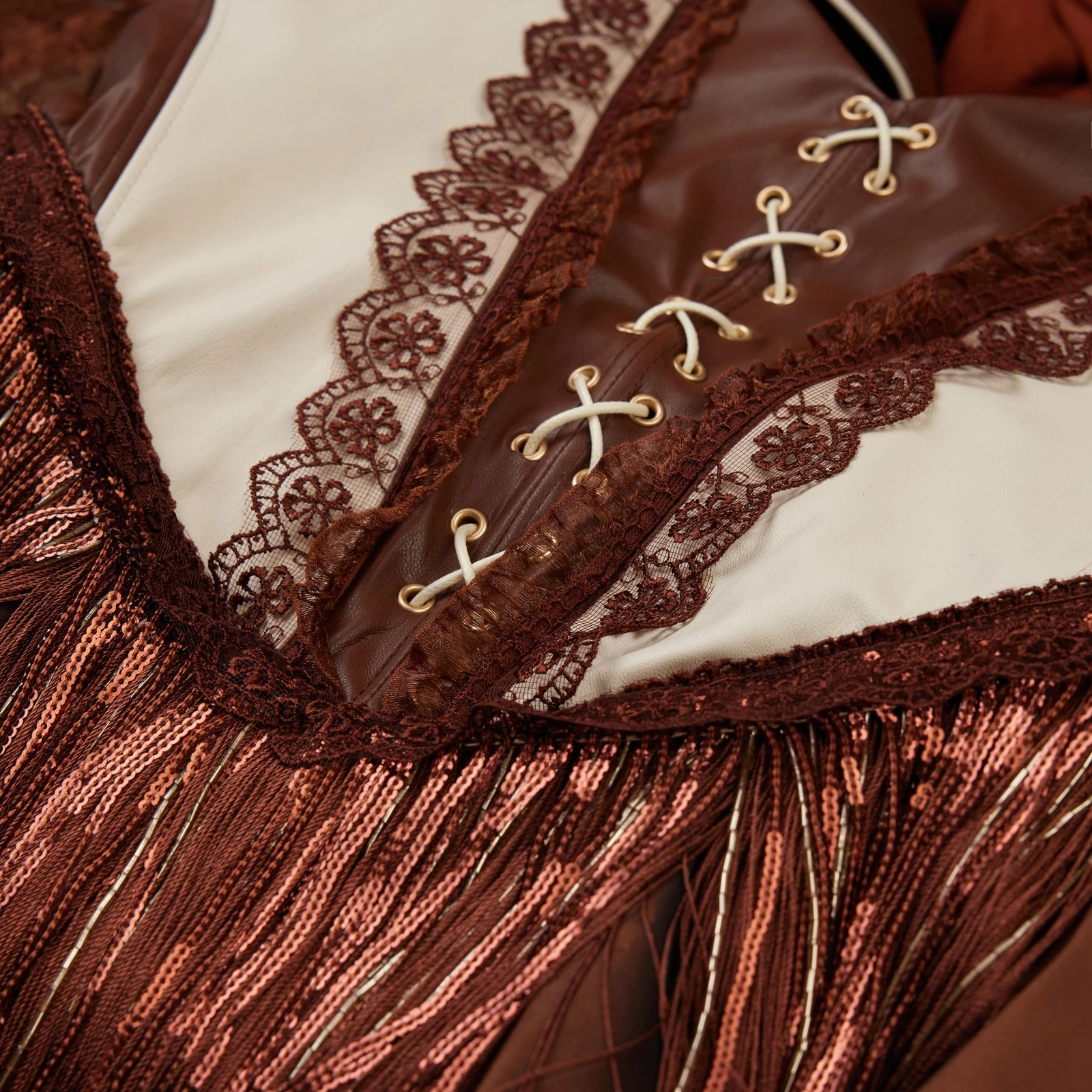
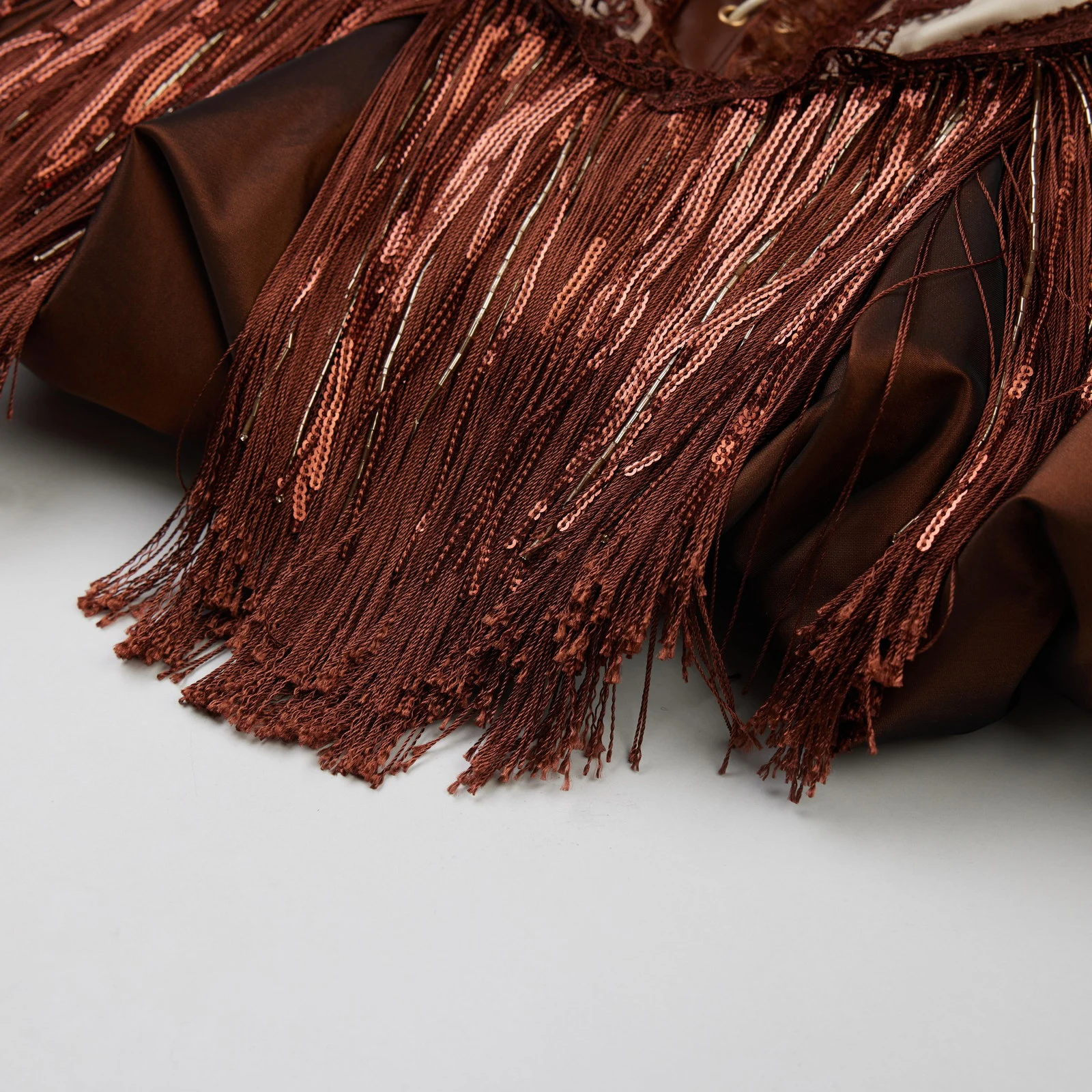
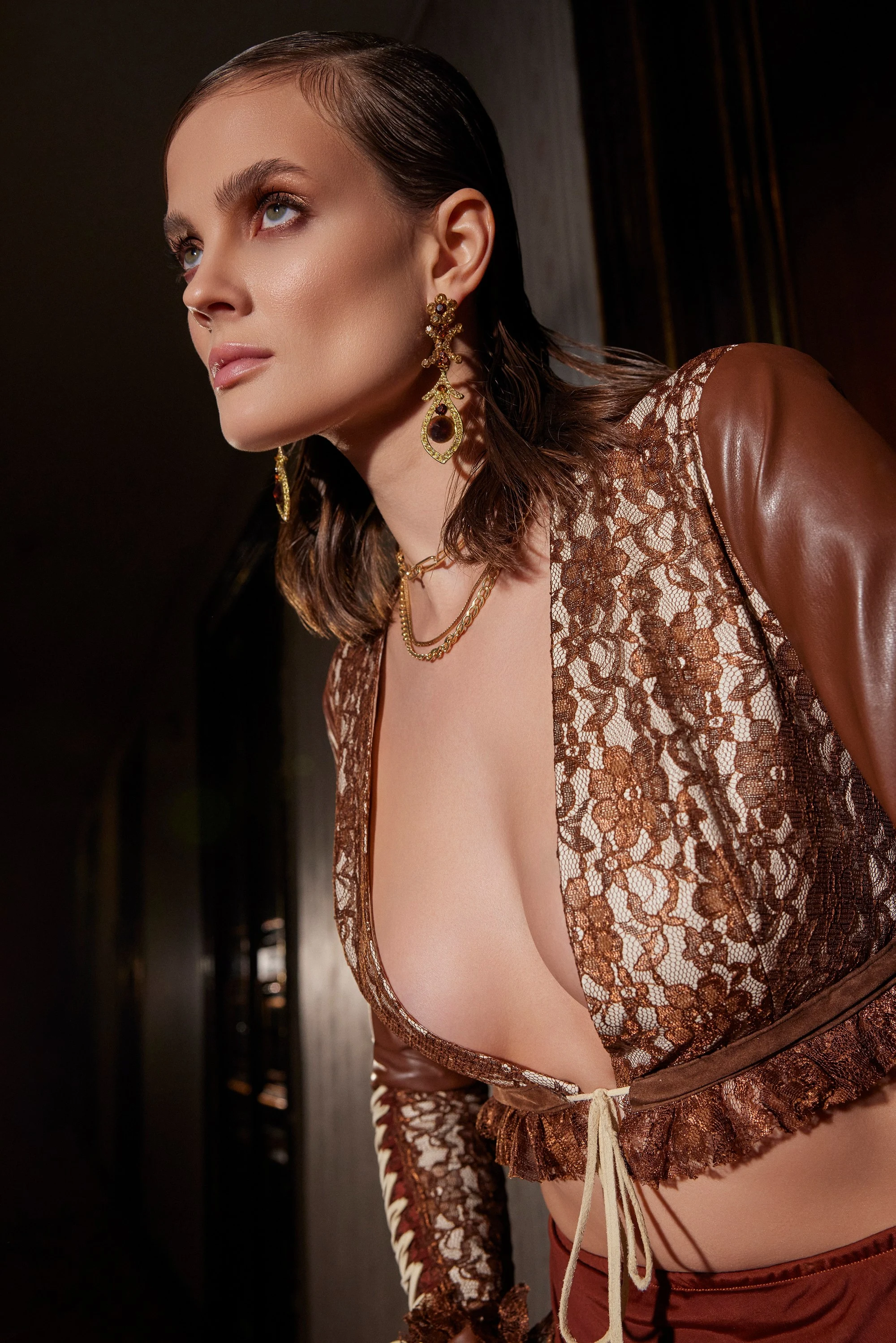
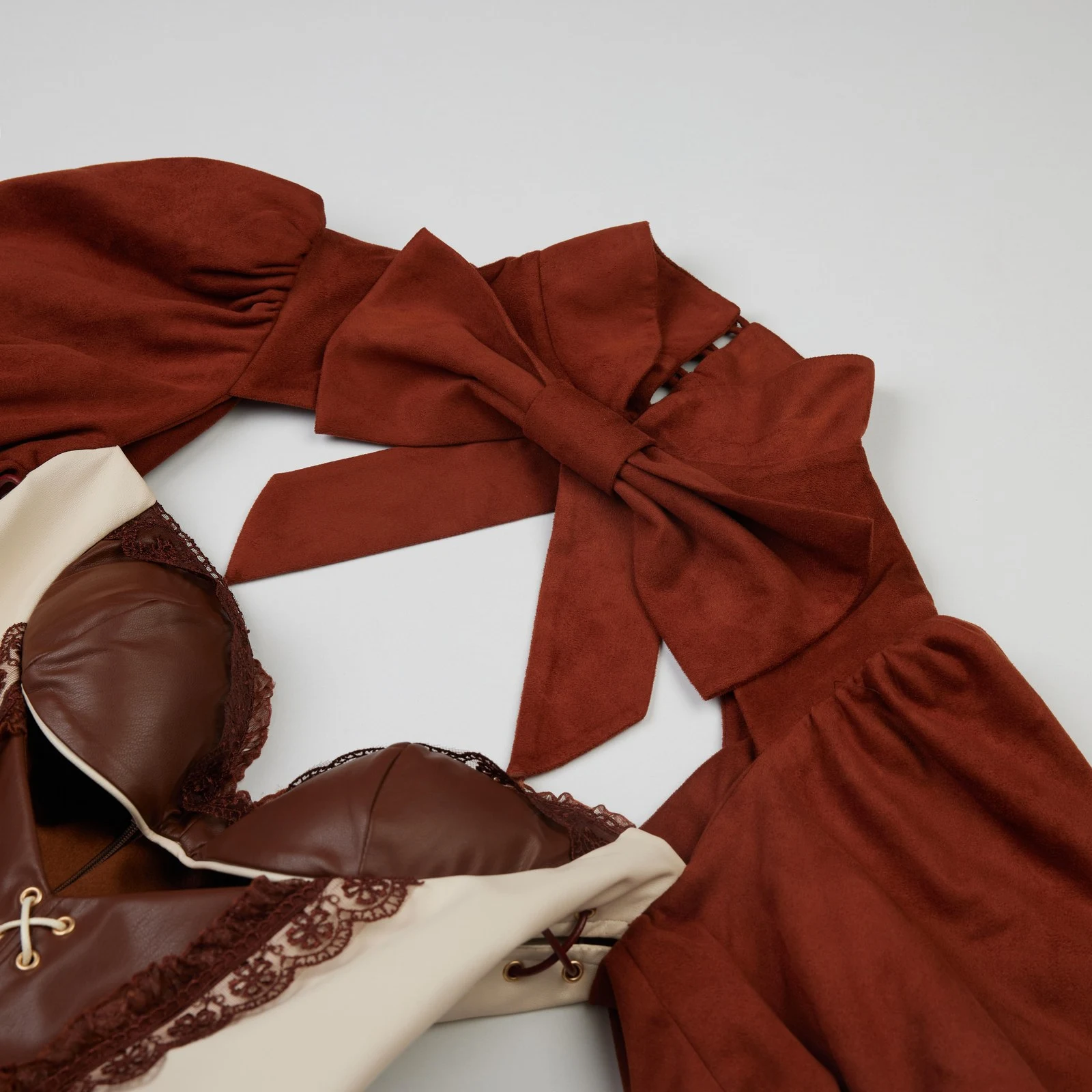
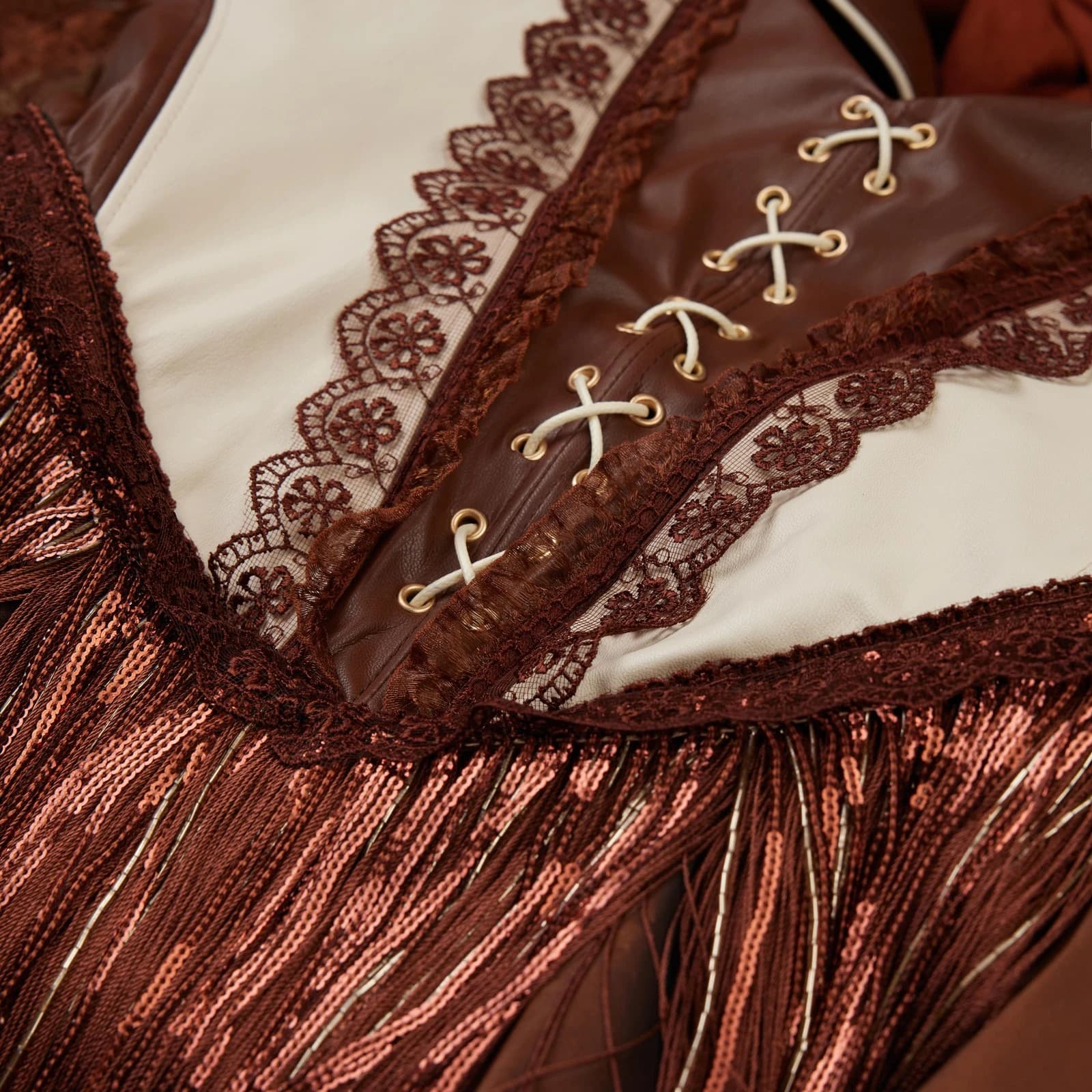
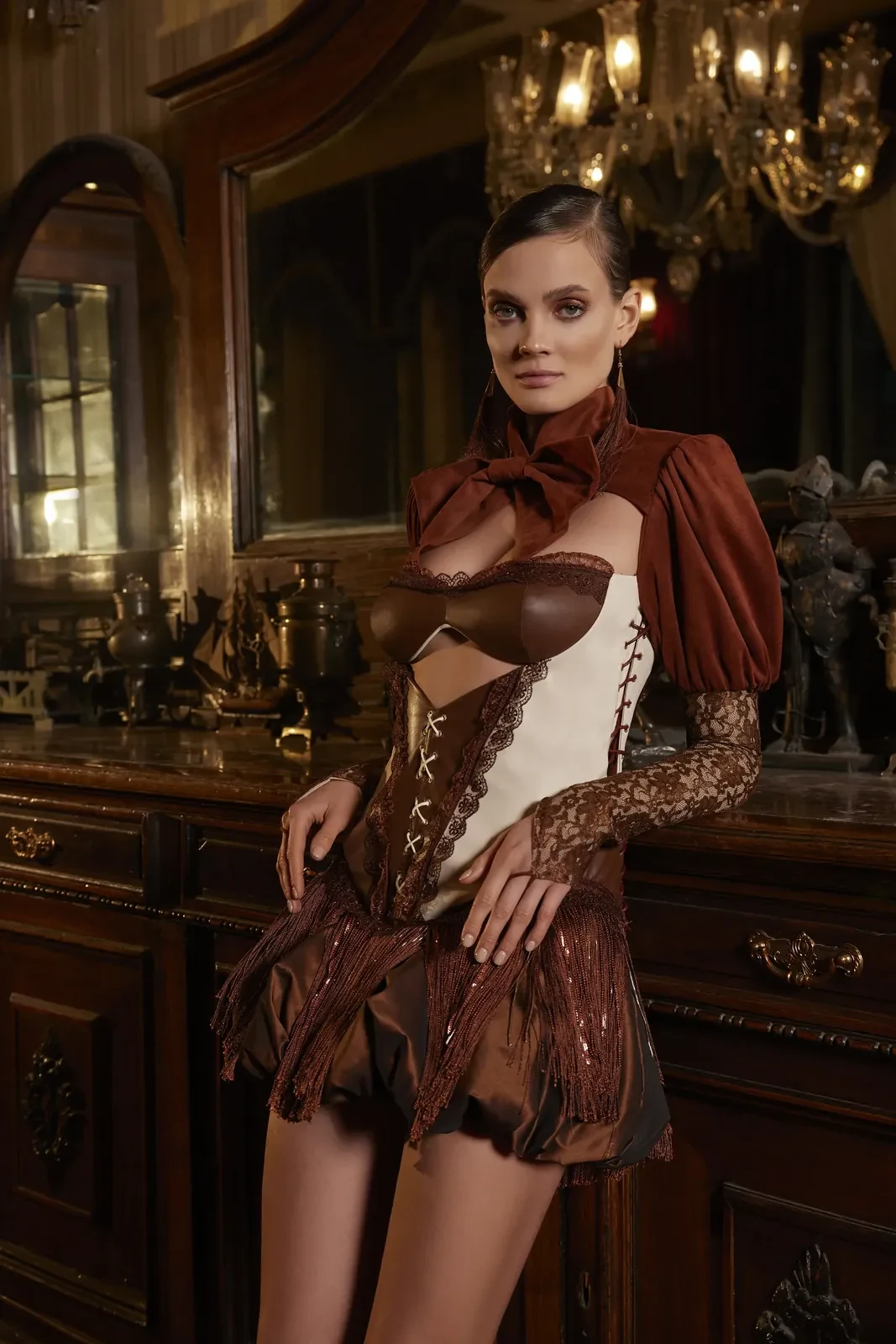
eret, long gloves and leg warmers.","Doğal belin en ince noktasından":"At the narrowest point of the natural waist","Doğal inci":"Natural pearl","Döneme göre 16. yüzyıl gövdelikleri, 18. yüzyıl stays, Viktorya dönemi kum saati korseleri, 1900’lerin S-kıvrım korseleri ve 1950’lerin guêpière’i; kesime göre overbust ve underbust.":"By era: 16th-century bodies, 18th-century stays, Victorian hourglass corsets, the S-bend corsets of the 1900s and the 1950s guêpière; by cut: overbust and underbust.","En yüksek fiyat":"Price: high to low","Eticaret Paketi — RGS Yazılım":"E-commerce Package — RGS Yazılım","Evet. Koleksiyondaki bir modeli kendi ölçünle, istersen farklı bir renk ya da kumaşla dikebiliriz. Uygun kumaş seçeneklerini görüşmede birlikte belirleriz.":"Yes. We can make a design from the collection to your measurements, and in a different color or fabric if you like. We’ll choose suitable fabric options together during the consultation.","Evet. Üretim süresi yaklaşık 7–21 gündür. Online ya da Kadıköy atölyemizde randevu alabilirsiniz.":"Yes. Production takes approximately 7–21 days. You can book an appointment online or at our Kadıköy atelier.","Fenerler yanınca saçaklar parladı.":"The fringes glowed as the lanterns lit up.","Fiyatı modelin karmaşıklığı, kumaş ve işçilik belirler. Görüşmeden sonra fiyat ve teslim tarihi yazılı olarak iletilir; onayın olmadan üretime başlanmaz.":"The price depends on the complexity of the design, the fabric and the craftsmanship. After the consultation, the price and delivery date are sent to you in writing; production never begins without your approval.","Gece mavisi, mor, ve tuzlu rüzgâr.":"Midnight blue, purple, and a salty breeze.","Gece pazarında turkuaz boncuklar.":"Turquoise beads at the night market.","Gerekmiyor. Ölçün terzimizde ya da sana gelerek alınır. Şehir dışındaysan bu sayfadaki ölçü rehberiyle ölçülerini kendin alıp bize gönderebilirsin.":"No need. Your measurements are taken at our tailor’s or by us coming to you. If you’re outside the city, you can take your own measurements using the guide on this page and send them to us.","Giriş":"Sign in","Giriş yap":"Sign in","Gizlilik Politikası":"Privacy Policy","Gök mavisiyle yeşil arasında bir ton. Anadolu takılarının en tanıdık taşlarından.":"A shade between sky blue and green. One of the most familiar stones in Anatolian jewelry.","Gönderilemedi. Lütfen tekrar dene ya da iletişim sayfasından yaz.":"Couldn’t send. Please try again or write to us via the contact page.","Görsel 1":"Image 1","Görsel 10":"Image 10","Görsel 11":"Image 11","Görsel 12":"Image 12","Görsel 2":"Image 2","Görsel 3":"Image 3","Görsel 4":"Image 4","Görsel 5":"Image 5","Görsel 6":"Image 6","Görsel 7":"Image 7","Görsel 8":"Image 8","Görsel 9":"Image 9","Gövde boyu":"Torso length","Göğsün en dolgun yerinden, mezurayı yere paralel tutarak ölç.":"Measure around the fullest part of your bust, keeping the tape measure parallel to the floor.","Göğsün en geniş noktasından":"At the fullest point of the bust","Göğsün hemen altından":"Just below the bust","Göğsün hemen altından, sıkmadan tam tur ölç.":"Measure a full round just below the bust, without pulling tight.","Göğüs":"Bust","Göğüs altı":"Underbust","Göğüs altından bel çizgisine kadar dikey olarak ölç.":"Measure vertically from the underbust to the waistline.","Göğüs altından kalça hattına":"From underbust to hipline","Göğüs çevresi":"Bust circumference","Göğüs, bel ve boy ölçüne göre kalıp çıkarılır. Kumaş, renk, bağcık ve balen detayları birlikte seçilir.":"A pattern is drafted from your bust, waist and length measurements. Fabric, color, lacing and boning details are chosen together.","Güvenli Ödeme":"Secure Payment","Hangi ürünler iade edilemez?":"Which products cannot be returned?","Hayır. Bu yaygın bir efsanedir; buna dair hiçbir tarihsel kanıt yoktur.":"No. It’s a common myth; there is no historical evidence for it.","Henüz emin değilim":"I’m not sure yet","Henüz satışta değil":"Not yet available","Her korse, Türkiye’deki ustalarımız tarafından sizin ölçülerinize göre üretilebilir. Üretim süresi yaklaşık 7–21 gündür.":"Every corset can be made to your measurements by our artisans in Türkiye. Production takes approximately 7–21 days.","Hesabım":"My account","Hijyen nedeniyle bikini altı ve küpeler ile siparişe özel ya da kişiye özel dikilen parçalar cayma hakkı kapsamı dışındadır.":"For hygiene reasons, bikini bottoms and earrings, as well as pieces made to order or custom-made, are excluded from the right of withdrawal.","Hikâyedeki parçalar":"Pieces in the story","Işığı içinden geçiren bir taş; şeffaftan pembeye uzanır. Pembe kuvars en yumuşak tonu.":"A stone that lets light pass through it, ranging from clear to pink. Rose quartz is its softest shade.","Işığı kıran, şeffaf kesimli boncuklar.":"Transparent faceted beads that catch the light.","KVKK Aydınlatma Metni":"Privacy Notice (KVKK)","Kadın":"Women","Kalça":"Hips","Kalçanın en geniş noktasından":"At the widest point of the hips","Kalçanın en geniş yerinden, ayakların bitişikken ölç.":"Measure at the widest part of your hips, with your feet together.","Kaplan Gözü":"Tiger's Eye","Kargoya verildiğinde DHL takip numarası e-posta adresine gönderilir. Numara ile DHL üzerinden takip edebilirsin.":"Once shipped, a DHL tracking number is sent to your email address. You can track your order with this number on DHL.","Katman katman oluşan bir taş. Kesildiğinde içindeki halkalar ve damarlar görünür.":"A stone formed layer by layer. When cut, the rings and veins within are revealed.","Kişisel verilerimin talebim için işlenmesine dair":"On the processing of my personal data for my request:","Kişisel verilerimin talebimi yanıtlamak için işlenmesine ilişkin":"On the processing of my personal data to respond to my request:","Kişiye Özel Tasarım ve Ölçüye Özel Korse":"Made to Order Design and Made-to-Measure Corsets","Kişiye özel bir parça kaç günde hazır olur?":"How long does a made-to-order piece take?","Kişiye özel sipariş":"Made to order","Kişiye özel tasarım talebi:":"Made-to-order design request:","Kişiye özel tasarım ve ölçüye özel korse":"Made-to-order design and made-to-measure corsets","Kişiye özel tasarımın fiyatı nasıl belirlenir?":"How is the price of a made-to-order design determined?","Kişiye özel üretilen ürünler, mesafeli satış mevzuatı gereği cayma hakkı kapsamı dışındadır. Bu yüzden ölçü ve tasarım senin onayınla netleşir; teslimde gerekirse son ayar yapılır.":"Under distance sales regulations, made-to-order products are excluded from the right of withdrawal. That’s why measurements and design are finalized with your approval; a final adjustment is made at delivery if needed.","Kişiye özel üretim":"Made-to-order production","Kişiye özel ürünlerde iade var mı?":"Can made-to-order pieces be returned?","Kolay İade":"Easy Returns","Koleksiyondaki bir modeli farklı renk ya da kumaşta yaptırabilir miyim?":"Can I have a design from the collection made in a different color or fabric?","Koleksiyondaki bir modeli özel bedeninle diktiriyorsan dikim 7–21 gün sürer. Sıfırdan yeni bir tasarımda süre tasarımın kapsamına göre değişir ve teklifte yazılı olarak iletilir. Ayrıntılar Kişiye Özel Tasarım sayfasında.":"If you’re having a design from the collection made in your own size, sewing takes 7–21 days. For an entirely new design, the timeline depends on the scope of the design and is set out in writing in your quote. Details are on the Made to Order page.","Koleksiyondaki bir modeli özel bedeninle diktiriyorsan süre 7–21 gündür. Sıfırdan tasarımda süre tasarıma göre değişir ve teklifte yazılı olarak iletilir.":"If you’re having a design from the collection made in your own size, it takes 7–21 days. For an entirely new design, the timeline depends on the design and is set out in writing in your quote.","Koleksiyondan bir model, benim ölçümle":"A design from the collection, in my measurements","Koleksiyondan, senin ölçünle":"From the collection, in your measurements","Koleksiyonlar · Dünyalar":"Collections · Worlds","Koleksiyonu keşfedin ve imza parçalarımızla tanışın.":"Discover the collection and meet our signature pieces.","Kopyalandı ✓":"Copied ✓","Korse nasıl giyilir?":"How do you wear a corset?","Korse ne zaman modadan çıktı?":"When did the corset go out of fashion?","Korse ne zaman ortaya çıktı?":"When did the corset first appear?","Korse çeşitleri nelerdir?":"What types of corsets are there?","Korse, deri pantolon, deri etek, suni kürk, kadife elbise ve crop için kombin önerileri. Her parça için gündüzden geceye nasıl giyilir rehberi.":"Styling ideas for corsets, leather trousers, leather skirts, faux fur, velvet dresses and crop tops. A day-to-night guide on how to wear each piece.","Korse, gövdeyi saran ve balenlerle desteklenen, bağcıkla sıkılarak bedene oturan giysidir. Tarihte iç giyimdi; bugün dış giyim parçası olarak giyilir.":"A corset is a garment that wraps the torso, is supported by boning, and is laced tight to fit the body. Historically an undergarment, today it is worn as outerwear.","Korseler \u0026 Üstler":"Corsets \u0026 Tops","Korseler (İmza Parçalar)":"Corsets (Signature Pieces)","Korselerde bel ölçünüze uyan bedeni seçin. Önden bağcıklı yapı bir miktar ayar imkânı sunar. Tam oturan bir kalıp için ölçüye özel randevu alın.":"For corsets, choose the size that matches your waist measurement. The front lacing allows for some adjustment. For a perfect fit, book a made-to-measure appointment.","Korseleri keşfet":"Explore corsets","Korsenin 500 yıllık tarihi: 16. yüzyıl gövdeliklerinden Viktorya dönemine, S-kıvrımdan bugüne. Korse nedir, çeşitleri neler, hangi efsaneler yanlış?":"500 years of the corset: from 16th-century bodies to the Victorian era, from the S-bend to today. What is a corset, what types are there, and which myths are false?","Korsenin Tarihi: Korse Nedir, Nasıl Değişti?":"History of the Corset: What Is a Corset and How Has It Changed?","Korseyi gömlek üstüne underbust olarak, yüksek bel pantolon ya da etekle tek başına üst olarak veya açık bir ceketin altında giyebilirsin.":"You can wear a corset over a shirt as an underbust, on its own as a top with high-waisted trousers or a skirt, or under an open jacket.","Kovan’dan daha fazlası":"More from the Hive","Koyu, mat bir mavi. İçinde altın renkli pirit noktaları görülebilir.":"A deep, matte blue. Flecks of golden pyrite can be seen within.","Kurucu \u0026 Tasarımcı · Ataşehir, İstanbul":"Founder \u0026 Designer · Ataşehir, İstanbul","Kuvarsın mor hâli. Rengi açık lilaktan koyu mora kadar değişir.":"Quartz in its purple form. Its color ranges from pale lilac to deep violet.","Kuvarsın sarı hâli. Bal renginden kehribar tonuna kadar.":"Quartz in its yellow form. From honey to amber tones.","Kürk nasıl kombinlenir?":"How to style fur?","Kılavuzu":"Guide","Kısaca anlat":"Tell us briefly","Kış için kombin önerileri neler?":"What are some winter styling ideas?","LARA ARI atölye":"LARA ARI atelier","LARA ARI evinden notlar, hikâyeler ve ilham kaynakları.":"Notes, stories and inspirations from the house of LARA ARI.","Lara Arı Koleksiyonları":"Lara Arı Collections","Lara Arı atölyesinde kişiye özel tasarım: ölçüye özel korse, özel dikim elbise ve özel gün kıyafetleri. Ölçün alınır, kumaşı birlikte seçeriz, İstanbul'da elde dikilir.":"Made-to-order design at the Lara Arı atelier: made-to-measure corsets, custom-made dresses and special-occasion wear. We take your measurements, choose the fabric together, and it’s sewn by hand in İstanbul.","Lara Arı için moda yalnızca giyim değil; kimliğin, duygunun ve sanatın kesiştiği bir ifade biçimidir.":"For Lara Arı, fashion is not merely clothing; it is a form of expression where identity, emotion and art intersect.","Lara Arı'da sipariş kaç günde kargoya verilir, siparişe özel ve kişiye özel ürünler ne kadar sürer, randevu nasıl alınır, iade nasıl yapılır? Tüm süreler tek sayfada.":"How soon are Lara Arı orders shipped, how long do made-to-order and custom pieces take, how do you book an appointment, and how do returns work? All timelines on one page.","Lara’nın İlhamları":"Lara’s Inspirations","Lila bir gece, sıcak taşlar.":"A lilac night, warm stones.","Lunar Veil Örgü Kemerli Pembe Şifon Pareo":"Lunar Veil Pink Chiffon Pareo with Crochet Belt","Lunar Veil Örgü Kemerli Pembe Şifon Pareo: kartı çevir":"Lunar Veil Pink Chiffon Pareo with Crochet Belt: flip card","Lütfen işaretli alanları doldur.":"Please fill in the marked fields.","Lütfen İade Politikamızı inceleyin ya da bir parçayı geri göndermeden önce bizimle iletişime geçin.":"Please review our Return Policy or contact us before sending a piece back.","Mağaza · Hazır Giyim":"Shop · Ready-to-Wear","Menü":"Menu","Mesafeli Satış Sözleşmesi":"Distance Sales Agreement","Metalik gri, ağır ve parlak bir taş. Dizilerde ara boncuk olarak kullanılır.":"A metallic gray stone, heavy and lustrous. Used as spacer beads in strands.","Mini deri eteği korse ya da gömlek ve çizmeyle, uzun deri eteği kemerli bir gömlekle dengeleyebilirsin.":"Balance a mini leather skirt with a corset or a shirt and boots, and a long leather skirt with a belted shirt.","Model, renk, kumaş, ilham aldığın bir görsel…":"Design, color, fabric, an image that inspired you…","Nacre Moon takımı: üst ve alt aynı modelden.":"Nacre Moon set: top and bottom in the same design.","Nasıl Giyilir":"How to Wear","Nasıl Giyilir? Kombin Önerileri: Korse, Deri, Kürk ve Kadife":"How to Wear: Styling Ideas for Corsets, Leather, Fur and Velvet","Nasıl ölçülür":"How to measure","Ne zaman lazım?":"When do you need it?","Nişan, nikah, gece daveti ya da sahne için korse, elbise ya da takım; fikrinden yola çıkarak tasarlanır.":"A corset, dress or set for an engagement, wedding, evening event or the stage, designed starting from your idea.","Online görüşme":"Online consultation","Opak, toprak tonlu ve desenli bir kuvars türü.":"An opaque, earth-toned, patterned variety of quartz.","Pareo ya da etek (isteğe bağlı)":"Pareo or skirt (optional)","Parça ara…":"Search pieces…","Parçalar":"Pieces","Parçaların hepsi eklenemedi. Sepetinizi kontrol edin.":"Not all pieces could be added. Please check your cart.","Pembe çiçekler, güneş gözlüğü, şezlong.":"Pink flowers, sunglasses, a sun lounger.","Pembe şifon, gün batımının rengi.":"Pink chiffon, the color of sunset.","RGS Yazılım E-Ticaret":"RGS Yazılım E-Commerce","Randevu nasıl alırım?":"How do I book an appointment?","Randevu, Süreç ve Süreler":"Appointments \u0026 Lead Times","S bedenden son 1 adet.":"Only 1 left in size S.","SSL ile korumalı":"SSL secured","Sayfa bulunamadı":"Page not found","Seni arayalım talebi":"Call-back request","Sepet":"Cart","Sepetiniz boş":"Your cart is empty","Sipariş numaran ya da kısa bir not":"Your order number or a short note","Sipariş türü":"Order type","Sipariş ver":"Place order","Sipariş ya da kargo":"Order or shipping","Sipariş üzerine · 7–21 gün":"Made to order · 7–21 days","Siparişe özel üretim ne demek?":"What does made to order mean?","Siparişim ne zaman kargoya verilir?":"When will my order ship?","Siyah deri görünümlü pantolon korse, uzun ceket ve botla; kahverengi olan krem kazak, bere ve süet parçalarla iyi durur. Lara Arı’da deri ve kürk görünümlü malzemelerin tamamı suni/vegandır.":"Pair black leather-look trousers with a corset, a long coat and boots; the brown pair works well with a cream sweater, a beret and suede pieces. All leather- and fur-look materials at Lara Arı are faux/vegan.","Son birkaç ürün":"Last few pieces","Stoktaki ürünler 2 iş günü içinde DHL ile kargoya verilir. Siparişe özel üretilen modellerde (örneğin Burlesque) üretim 7–21 gün sürer; ürün hazır olunca kargoya verilir. DHL ile teslim kargodan sonra 3 iş günüdür.":"In-stock items ship with DHL within 2 business days. For made-to-order designs (e.g. Burlesque), production takes 7–21 days; the piece ships once it’s ready. DHL delivery takes 3 business days after shipping.","Stoğa gelince haber ver":"Notify me when available","Suni kürk":"Faux fur","Suni kürkü sade parçalarla dengele: siyah pantolon, tek renk üst ve bot. Kürk görünümlü yelek ya da bacak ısıtıcı tek başına bir kombini tamamlar.":"Balance faux fur with simple pieces: black trousers, a solid top and boots. A fur-look vest or leg warmers can complete a look on their own.","Süet püsküller rüzgârda dans etti.":"Suede tassels danced in the wind.","Sırala":"Sort","TURKISH DELIGHT ★ EL YAPIMI ★ İSTANBUL ★ BONCUK İŞLEME ★ DOĞAL İNCİ · CAM İNCİ ★ ORDINARY IS WHAT YOU MAKE OF IT ★":"TURKISH DELIGHT ★ HANDMADE ★ İSTANBUL ★ BEADWORK ★ NATURAL PEARL · GLASS PEARL ★ ORDINARY IS WHAT YOU MAKE OF IT ★","TURKISH DELIGHT ★ EL YAPIMI ★ İSTANBUL ★ BONCUK İŞLEME ★ DOĞAL İNCİ · CAM İNCİ ★ ORDINARY IS WHAT YOU MAKE OF IT ★ TURKISH DELIGHT ★ EL YAPIMI ★ İSTANBUL ★ BONCUK İŞLEME ★ DOĞAL İNCİ · CAM İNCİ ★ ORDINARY IS WHAT YOU MAKE OF IT ★":"TURKISH DELIGHT ★ HANDMADE ★ İSTANBUL ★ BEADWORK ★ NATURAL PEARL · GLASS PEARL ★ ORDINARY IS WHAT YOU MAKE OF IT ★ TURKISH DELIGHT ★ HANDMADE ★ İSTANBUL ★ BEADWORK ★ NAT
URAL PEARL · GLASS PEARL ★ ORDINARY IS WHAT YOU MAKE OF IT ★","Takvimden seçim yok: bu sayfadaki kısa formu bırak, 1 iş günü içinde seni arayalım. Ölçü, prova ya da online görüşme için gün ve saat telefonda birlikte belirlenir.":"No calendar to pick from: leave the short form on this page and we’ll call you within 1 business day. The day and time for your measurements, fitting or online consultation are arranged together over the phone.","Takımı sepete ekle":"Add the set to cart","Talebi gönder":"Send request","Talebin alındı. 1 iş günü içinde seni arayacağız.":"Your request has been received. We’ll call you within 1 business day.","Talebin alındı. Atölye 1 iş günü içinde sana dönecek.":"Your request has been received. The atelier will get back to you within 1 business day.","Tam size göre mi olsun?":"Want it made just for you?","Taş":"Stone","Taşa göre seç":"Shop by stone","Taşlar ve cam, 30 parça":"Stones and glass, 30 pieces","Terzimizde ya da senin belirlediğin adreste. Yer, seni aradığımızda birlikte netleşir.":"At our tailor’s or at an address of your choice. We’ll settle the location together when we call you.","Teslimden itibaren 14 gün içinde bize yaz; iade adımlarını ve gönderim adresini iletelim. Ürünü bildirimden itibaren 10 gün içinde geri gönderirsin; ücret, cayma bildirimin bize ulaştıktan sonra en geç 14 gün içinde ödeme yaptığın yönteme iade edilir.":"Write to us within 14 days of delivery and we’ll send you the return steps and shipping address. You send the product back within 10 days of your notice; the payment is refunded to your original payment method no later than 14 days after your withdrawal notice reaches us.","Tükendi":"Sold out","Tüm koleksiyonlar":"All collections","Tüm mağaza":"Entire shop","Tümü":"All","Tümünü gör":"View all","Tür":"Type","Venedik’in Murano adasından gelen cam geleneği. Desenler camın içinde.":"A glassmaking tradition from the Venetian island of Murano. The patterns lie within the glass.","Viktorya döneminde kadınlar kaburga aldırdı mı?":"Did Victorian women have their ribs removed?","Yazıyı oku":"Read the story","Yeni":"New","Yeşil şifon, dalgaların rengi.":"Green chiffon, the color of the waves.","Yeşilin mat ve yumuşak tonlarında bir taş.":"A stone in soft, matte shades of green.","Yeşim":"Jade","Yumuşak bir mezura kullanın ve ince iç giyim giyin. Mezurayı yere paralel ve sıkmadan, tam oturacak şekilde tutun.":"Use a soft tape measure and wear thin underwear. Hold the tape measure parallel to the floor, snug but not tight.","adet, her modelden":"pieces of each design","aydınlatma metnini":"the privacy notice","beden şu an stokta yok.":"size is currently out of stock.","farklı taş ve cam":"different stones and glass","isteğe bağlı":"optional","parça":"pieces","rehber · yenileri eklendikçe burada":"guides · more to come as they’re added","seçin":"select","takımı: üst ve alt aynı modelden.":"set: top and bottom in the same design.","taşı yakın çekim":"stone close-up","veya Anasayfaya dön":"or return to the homepage","© laraari.com — Tüm Hakları Saklıdır":"© laraari.com — All Rights Reserved","Çift taraflı süet görünümlü balon kollar ve dantel eldiven illüzyonu, yapılandırılmış korsaja rafine ve zarif bir kontrast katar. Tafta balon etek kahverengi saçak detaylarla tamamlanır.":"Double-sided suede-look balloon sleeves and a lace glove illusion lend a refined, elegant contrast to the structured bodice. The taffeta balloon skirt is finished with brown fringe details.","Ödeme":"Payment","Ödeme onayından sonra 2 iş günü içinde kargoya verilir":"Ships within 2 business days of payment confirmation","Ödemeye geç":"Proceed to checkout","Ölçü için atölyeye gelmem gerekiyor mu?":"Do I need to come to the atelier to be measured?","Ölçü randevusu":"Measurement appointment","Ölçü randevusu al →":"Book a measurement appointment →","Ölçü ve prova nerede yapılıyor?":"Where do measurements and fittings take place?","Ölçüler giysiye değil bedene aittir.":"Measurements belong to the body, not the garment.","Ölçülerimi kopyala":"Copy my measurements","Ölçülerini yazdıkça burada özetlenir.":"Your measurements are summarized here as you enter them.","Ölçüye Özel Korse":"Made-to-Measure Corset","Ölçüye özel korse":"Made-to-measure corset","Ölçüye özel korse için ölçü nasıl alınır?":"How do I take measurements for a made-to-measure corset?","Ölçüye özel korse ne kadar sürede hazırlanır?":"How long does a made-to-measure corset take?","Ölçüye özel korse ve özel dikim elbise":"Made-to-measure corsets and custom-made dresses","Ölçüye özel korse →":"Made-to-measure corset →","Ön boy":"Front length","Önce beden seçin.":"Please select a size first.","Önerilen":"Featured","Özel Sipariş \u0026 Teslimat":"Made to Order \u0026 Delivery","Özel gün için tasarım":"Special-occasion design","Özel sipariş":"Made to order","Özel sipariş bir parçayı kendi ölçülerimle sipariş edebilir miyim?":"Can I order a made-to-order piece in my own measurements?","Özel sipariş · 7–21 gün":"Made to order · 7–21 days","Öğlen ilk dalgaya kadar incileri saydım.":"I counted pearls until the first wave at noon.","Ücretsiz Kargo":"Free Shipping","Üretim 7–21 gün · özel dikim, cayma hakkı kapsamı dışında":"Production 7–21 days · custom-made, excluded from the right of withdrawal","Ürün ara…":"Search products…","Ürünü incele":"View product","Üst":"Top","Üye ol":"Sign up","Üyelik":"Membership","İSTANBUL ⟶ SEN":"İSTANBUL ⟶ YOU","İade":"Returns","İade Politikası":"Return Policy","İade nasıl yapılır?":"How do returns work?","İade ve İptal Koşulları":"Return and Cancellation Terms","İki beden arasında mısınız? Size özel olsun.":"Between two sizes? Make it yours.","İki beden arasındayım. Hangisini seçmeliyim?":"I’m between two sizes. Which should I choose?","İletişim":"Contact","İlk LARA ARI parçanıza %10 indirim.":"10% off your first LARA ARI piece.","İncele":"Explore","İnci":"Pearl","İnci seçeneği":"Pearl option","Şehir":"City","Şehir:":"City:","Şu an stokta yok":"Currently out of stock","Şu an stokta yok.":"Currently out of stock.","Şunları deneyebilirsiniz:":"You can try the following:","’ni okudum, onaylıyorum. *":"— I have read and accept it. *","“Aynı pembe, başka bir koy.”":"“Same pink, another cove.”","“Begonvillerin altında kırmızı bir akşam.”":"“A red evening beneath the bougainvillea.”","“Fenerler yanınca saçaklar parladı.”":"“The fringes glowed as the lanterns lit up.”","“Gece mavisi, mor, ve tuzlu rüzgâr.”":"“Midnight blue, purple, and a salty breeze.”","“Gece pazarında turkuaz boncuklar.”":"“Turquoise beads at the night market.”","“Lila bir gece, sıcak taşlar.”":"“A lilac night, warm stones.”","“Pembe çiçekler, güneş gözlüğü, şezlong.”":"“Pink flowers, sunglasses, a sun lounger.”","“Pembe şifon, gün batımının rengi.”":"“Pink chiffon, the color of sunset.”","“Süet püsküller rüzgârda dans etti.”":"“Suede tassels danced in the wind.”","“Yeşil şifon, dalgaların rengi.”":"“Green chiffon, the color of the waves.”","“Öğlen ilk dalgaya kadar incileri saydım.”":"“I counted pearls until the first wave at noon.”","Cam inci":"Glass pearl","Sepete eklendi ✓":"Added to cart ✓","Sepete git":"Go to cart","Eklenemedi, tekrar deneyin":"Could not add, please try again","Sepete ekle":"Add to cart","Telefon":"Phone","Telefon *":"Phone *","E-posta":"Email","E-posta *":"Email *","Not":"Note","Ad Soyad":"Full name","Balina kemiğinden süete: korsenin tarihi":"From whalebone to suede: a history of the corset","Beş yüzyıllık yapı, skandal ve yeniden doğuş; ve korsenin bugün hâlâ giyinme biçimimizi neden şekillendirdiği.":"Five centuries of structure, scandal and reinvention, and why the corset still shapes how we dress.","Kadıköy atölyesinin içinden":"Inside the Kadıköy atelier","Kalıptan son dikişe: her LARA ARI parçasının doğduğu atölyede bir gün.":"From pattern to final stitch: a day in the atelier where every LARA ARI piece is made.","Korseyi gündüz giymenin üç yolu":"Three ways to wear a corset by day","Gömlek üzerine, yüksek bel pantolonla ya da bir ceketin altında: korseyi günlük stilinize taşıyın.":"Over a shirt, with high-waisted trousers or under a jacket: bring the corset into your day.","Burlesque Dress’in yapımı":"The making of the Burlesque Dress","Süet balon kollar, dantel eldiven illüzyonu ve saçaklı tafta: bir imza elbisenin hikâyesi.":"Suede balloon sleeves, a lace glove illusion and fringed taffeta: the story of a signature dress.","Tiyatro, kadife ve salon":"Theatre, velvet and the parlour","AW26 · Boudoir koleksiyonunun ilham aldığı loş koridorlar ve kadife perdeler.":"The dim corridors and velvet curtains behind the AW26 · Boudoir collection.","Korseyi dış giyimle katmanlamak":"Layering a corset over outerwear","Deri ceket, trençkot ya da bolero üzerine korse: soğuk mevsim için cesur katmanlar.":"A corset over leather, a trench or a bolero: bold layers for the cold season.","Yirminci yüzyılda korse":"The corset in the twentieth century","Kısıtlamadan özgürlüğe: korse yirminci yüzyılda nasıl yeniden tanımlandı?":"From constraint to freedom: how the corset was redefined in the twentieth century.","Kategoriler":"Categories","Merhaba, {name}":"Hello, {name}","Anasayfa":"Home","Bilgiler":"Details","Onay":"Confirmation","Korsenin Tarihi":"A History of the Corset","Bizi takip edin":"Follow us","Kovan":"The Hive","Marka":"Brand","Sepetiniz":"Your cart","Takip Et":"Follow","Yasal":"Legal","Arama:":"Search:","SEPET":"CART","BİLGİLER":"DETAILS","ÖDEME":"PAYMENT","ONAY":"CONFIRMATION"},"P":{"acik-riza-metni":{"t":"Explicit Consent Statement","b":"\u003cp\u003eThis text will be updated by the store team. For questions please reach us via our \u003ca href=\"/iletisim\"\u003econtact\u003c/a\u003e page.\u003c/p\u003e"},"gizlilik-politikasi":{"t":"Privacy Policy","b":"\u003cp\u003eThis text will be updated by the store team. For questions please reach us via our \u003ca href=\"/iletisim\"\u003econtact\u003c/a\u003e page.\u003c/p\u003e"},"beden-kilavuzu":{"t":"Size Guide","b":"\u003cdiv class=\"la-pg la-size\"\u003e\n\u003csection class=\"la-pagehead\"\u003e\u003ch2 class=\"la-display\"\u003eSize\u003cbr\u003e\u003cem\u003eGuide\u003c/em\u003e\u003c/h2\u003e\n\u003cp class=\"la-lead\"\u003eFind your size in the chart below, or measure yourself in five steps. Between sizes? Every corset can also be made to your measurements.\u003c/p\u003e\u003c/section\u003e\n\u003cdiv class=\"la-anchors\"\u003e\u003ca href=\"/page/beden-kilavuzu\"\u003eSize chart\u003c/a\u003e\u003ca href=\"/page/beden-kilavuzu\"\u003eHow to measure\u003c/a\u003e\u003ca href=\"/page/beden-kilavuzu\"\u003eQuestions\u003c/a\u003e\u003c/div\u003e\n\u003csection class=\"la-chart\"\u003e\u003cdiv class=\"la-chart__card\"\u003e\u003cdiv class=\"la-headrow\"\u003e\u003ch2 class=\"la-h2\"\u003eSize chart\u003c/h2\u003e\u003cspan class=\"la-label\"\u003eWomen\u003c/span\u003e\u003c/div\u003e\n\u003cdiv class=\"la-chart__img\"\u003e\u003cimg src=\"https://cdn.rgsyazilim.net/e3f736f9-f182-4b01-be68-5fa73d84bed7/2026/10/0e68fc04-4978-4bce-9f12-918cbfff6d94.webp\" alt=\"Size chart\"\u003e\u003c/div\u003e\u003cspan class=\"la-small\"\u003eMeasurements refer to the body, not the garment.\u003c/span\u003e\u003c/div\u003e\u003c/section\u003e\n\u003csection class=\"la-two\"\u003e\n\u003cdiv class=\"la-two__intro\"\u003e\u003cspan class=\"la-eyebrow\"\u003eHow to measure\u003c/span\u003e\u003ch2 class=\"la-h2\"\u003eFive measurements.\u003c/h2\u003e\n\u003cp class=\"la-lead\"\u003eUse a soft tape measure and wear light underwear. Keep the tape level and snug, without pulling.\u003c/p\u003e\u003c/div\u003e\n\u003cdiv class=\"la-list\"\u003e\u003cdiv class=\"la-list__row\"\u003e\u003cspan class=\"la-num\"\u003e01\u003c/span\u003e\u003cspan class=\"la-list__txt\"\u003e\u003cstrong\u003eBust\u003c/strong\u003e\u003cspan\u003eAround the fullest part of the bust\u003c/span\u003e\u003c/span\u003e\u003c/div\u003e\u003cdiv class=\"la-list__row\"\u003e\u003cspan class=\"la-num\"\u003e02\u003c/span\u003e\u003cspan class=\"la-list__txt\"\u003e\u003cstrong\u003eUnderbust\u003c/strong\u003e\u003cspan\u003eDirectly below the bust\u003c/span\u003e\u003c/span\u003e\u003c/div\u003e\u003cdiv class=\"la-list__row\"\u003e\u003cspan class=\"la-num\"\u003e03\u003c/span\u003e\u003cspan class=\"la-list__txt\"\u003e\u003cstrong\u003eWaist\u003c/strong\u003e\u003cspan\u003eAt the narrowest point of the natural waist\u003c/span\u003e\u003c/span\u003e\u003c/div\u003e\u003cdiv class=\"la-list__row\"\u003e\u003cspan class=\"la-num\"\u003e04\u003c/span\u003e\u003cspan class=\"la-list__txt\"\u003e\u003cstrong\u003eHips\u003c/strong\u003e\u003cspan\u003eAround the fullest part of the hips\u003c/span\u003e\u003c/span\u003e\u003c/div\u003e\u003cdiv class=\"la-list__row\"\u003e\u003cspan class=\"la-num\"\u003e05\u003c/span\u003e\u003cspan class=\"la-list__txt\"\u003e\u003cstrong\u003eTorso length\u003c/strong\u003e\u003cspan\u003eFrom underbust down to the hip line\u003c/span\u003e\u003c/span\u003e\u003c/div\u003e\u003c/div\u003e\n\u003c/section\u003e\n\u003csection class=\"la-faq\"\u003e\u003cdiv class=\"la-faq__in\"\u003e\u003ch2 class=\"la-h2\"\u003eQuestions\u003c/h2\u003e\n\u003cdiv class=\"la-faq__list\"\u003e\u003cdiv class=\"la-faq__item\"\u003e\u003cstrong\u003eI am between two sizes. Which should I choose?\u003c/strong\u003e\u003cp\u003eFor corsets, choose the size that matches your waist. The lace-up front allows some adjustment. For a precise fit, book a made-to-measure fitting.\u003c/p\u003e\u003c/div\u003e\u003cdiv class=\"la-faq__item\"\u003e\u003cstrong\u003eCan I order a made-to-order piece in my own measurements?\u003c/strong\u003e\u003cp\u003eYes. Production takes approximately 7–21 days. Book an appointment online or at our Kadıköy atelier.\u003c/p\u003e\u003c/div\u003e\u003cdiv class=\"la-faq__item\"\u003e\u003cstrong\u003eWhat if the size does not fit?\u003c/strong\u003e\u003cp\u003ePlease see our Return Policy or contact us before sending a piece back.\u003c/p\u003e\u003c/div\u003e\u003c/div\u003e\u003c/div\u003e\u003c/section\u003e\n\u003ca class=\"la-band\" href=\"/page/atelier\"\u003e\u003cspan class=\"la-band__txt\"\u003e\u003cspan class=\"la-eyebrow\"\u003eAtelier · Made to Order\u003c/span\u003e\u003cstrong\u003eBetween sizes? Make it yours.\u003c/strong\u003e\u003cspan class=\"la-band__cta\"\u003eBook a fitting →\u003c/span\u003e\u003c/span\u003e\u003cspan class=\"la-band__img\"\u003e\u003cimg src=\"https://cdn.rgsyazilim.net/e3f736f9-f182-4b01-be68-5fa73d84bed7/2026/10/64ce4e91-7ead-4426-a3fe-bb3580c70e7b.webp\" alt=\"LARA ARI\"\u003e\u003c/span\u003e\u003c/a\u003e\n\u003c/div\u003e"},"iade-iptal":{"t":"Returns and Cancellations","b":"**RETURNS AND CANCELLATIONS**\n\n**1. Order Cancellation**\nOrders that have not yet been prepared (status: Awaiting approval) can be canceled from your account. For orders that are already being prepared or have been shipped, the return procedure applies.\n\n**2. Right of Withdrawal**\nYou have the right to return a product without giving any reason within 14 days of receiving it (except for the exceptions set out in the regulation). You can submit your withdrawal request from the \"My Orders\" section. There is no right of withdrawal for products prepared in line with the buyer's requests or personal needs and produced specifically for the buyer (Distance Contracts Regulation (Mesafeli Sözleşmeler Yönetmeliği), Article 15/1-ç).\n\n**3. Return Conditions**\n- The product must be unused, with its tags still attached and its packaging intact\n- It must be sent together with the invoice\n- Shipping costs are borne by the customer (by the seller if the product is defective)\n\n**4. Refund Period**\nOnce the returned product reaches the seller, the refund is issued within 14 days in a manner appropriate to your payment method.\n\n**5. Exchanges**\nFor a size/color exchange, submit your request through our contact channels."},"iletisim":{"t":"Contact","b":"You can use the channel below to get in touch with us.\n\nE-mail: info@laraari.com\nInstagram: @laraari.official\n\nFor the contact form, please use the laraari.com/iletisim page."},"kullanim-kosullari":{"t":"Terms of Use","b":"**TERMS OF USE**\n\nBy becoming a member of or shopping at the Lara Arı store, you are deemed to have accepted the terms below.\n\n**1. Definitions**\n\n\"Site\": The Lara Arı store.\n\"User\": Any natural or legal person who visits the Site or creates an account.\n\n**2. Membership**\n\n- Persons under the age of 18 may not become members without the consent of a parent/guardian\n- Each person may open only one account\n- You are responsible for the security of your account information\n\n**3. Prohibited Use**\n\nThe User agrees not to upload software that may harm the Site, not to gain unauthorized access to other users' data, and not to infringe copyright.\n\n**4. Limitation of Liability**\n\nLara Arı reserves the right to cancel orders due to product stock, pricing errors or technical failures. In such cases, the amount paid is refunded.\n\n**5. Changes
**\n\nThese terms may be updated from time to time. Significant changes will be announced by e-mail."},"teslimat":{"t":"Delivery Information","b":"**SHIPPING AND DELIVERY INFORMATION**\n\n**1. Shipping Carriers**\nOrders are shipped through our partner carriers. Depending on the region, Yurtiçi Kargo, Aras Kargo, MNG or PTT Kargo may be used.\n\n**2. Delivery Time**\n- Orders are shipped within 1-3 business days after order confirmation\n- Delivery takes place within 1-3 business days after the parcel reaches the carrier\n- Delivery may take longer in remote areas\n\n**3. Shipping Fee**\n- The standard shipping fee is shown in the order summary\n- Free shipping on orders of 500 TL and above\n\n**4. Delivery Issues**\nIf you notice damage to your package, we recommend having a \"damage report\" (hasar tespit tutanağı) drawn up in the presence of the courier. Complaints submitted without such a report are more difficult to process.\n\n**5. Address Information**\nIf an incorrect address is provided, shipping costs are borne by the customer. Please check your address details before confirming your order summary."},"odeme":{"t":"Payment Information","b":"**PAYMENT METHODS**\n\n**1. Credit/Debit Card**\nPayments are accepted with Visa, MasterCard, Troy and American Express, including all virtual cards. Payments are processed through PayTR's secure infrastructure.\n\n**2. 3D Secure**\n3D Secure (SMS verification) is mandatory for all card payments. Your card details are not shared with us; communication takes place directly with the bank's infrastructure.\n\n**3. Installments**\nBIN-based installment options are displayed automatically on the card screen. Depending on your bank's campaigns, installment options of 2 to 12 months may be offered.\n\n**4. Bank Transfer / EFT**\nAccount details are provided on the order confirmation page and by e-mail. Don't forget to include your order number in the transfer description. Your order will begin to be prepared once the amount is credited to our account.\n\n**5. Cash on Delivery**\nIn regions covered by our partner carriers, you can pay at the door in cash or by card. The additional service fee is shown in the cart summary.\n\n**6. Security**\n- Encrypted connection with certified SSL (TLS 1.3)\n- PCI-DSS compliant PayTR payment infrastructure\n- Card details are not stored on our servers\n- Processes compliant with BDDK (Banking Regulation and Supervision Agency) and MASAK (Financial Crimes Investigation Board) requirements\n\n**7. Refund Period**\nApproved refund amounts are credited back to your account using the same payment method within 14 business days. For credit card refunds, it may take 1-3 weeks for the refund to appear, depending on your bank."},"cerez-politikasi":{"t":"Cookie Policy","b":"**COOKIE POLICY**\n\nAt Lara Arı, we use the following types of cookies on our website.\n\n**1. Strictly Necessary Cookies**\nThese are required for the Site's core functions (cart, login, language preference). If these cookies are blocked, the Site will not work properly.\n\n**2. Performance Cookies**\nThese measure which pages are visited and how the Site performs. The data is anonymized.\n\n**3. Functionality Cookies**\nThese remember your preferences (e.g. the city you selected, the products you viewed most recently).\n\n**4. Marketing Cookies**\nThese are used by third-party advertising networks (Google Ads, Meta Pixel) to show personalized ads. They are activated ONLY if you give your explicit consent.\n\n**5. Managing Your Cookie Preferences**\nYou can turn the categories you choose on or off from the cookie preferences panel that appears when you open the Site. You can also delete all cookies from your browser settings (in which case some functions may be restricted).\n\n**6. Data Retention**\nDepending on the type, cookies are stored for between 1 day and 12 months. Marketing cookies are stored the longest, session cookies the shortest."}}}